Center for Research and Development of Functional Materials - CDMF
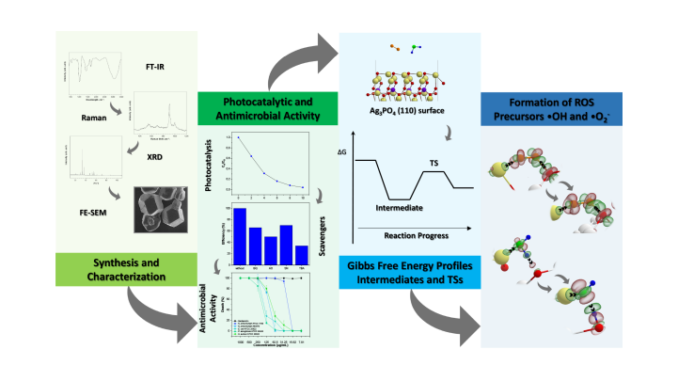
Experiment with the semiconductor silver phosphate revealed an unprecedented mechanism for the formation of reactive oxygen species – toxic molecules that can cause the death of pathogens.
Center for Carbon Research in Tropical Agriculture - CCARBON
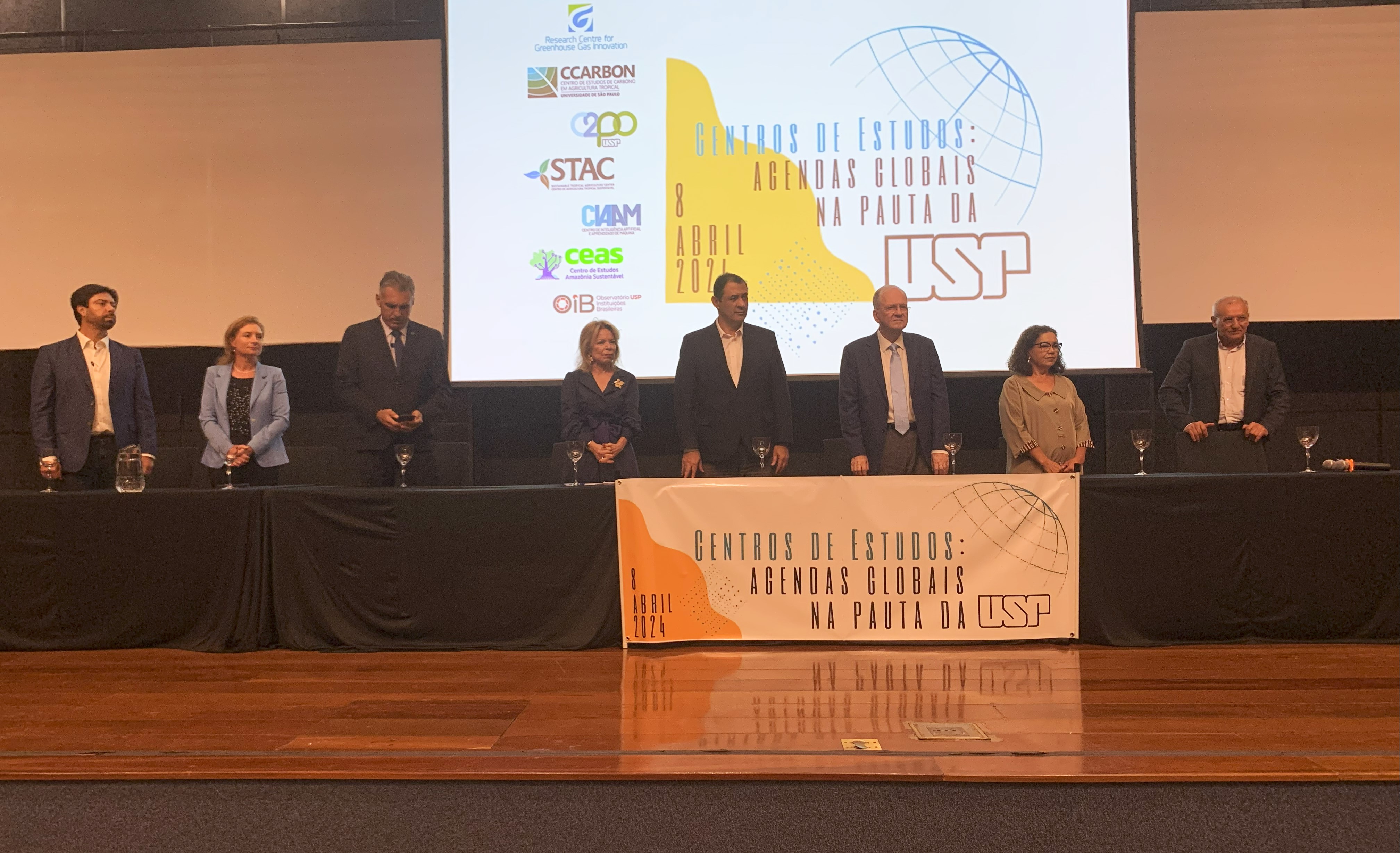
Today’s key issues, such as artificial intelligence, climate change, cancer and Brazilian institutions, will be the focus of inter-institutional and multidisciplinary teaching and research; the new organization gives groups more autonomy and agility.
Obesity and Comorbidities Research Center - OCRC
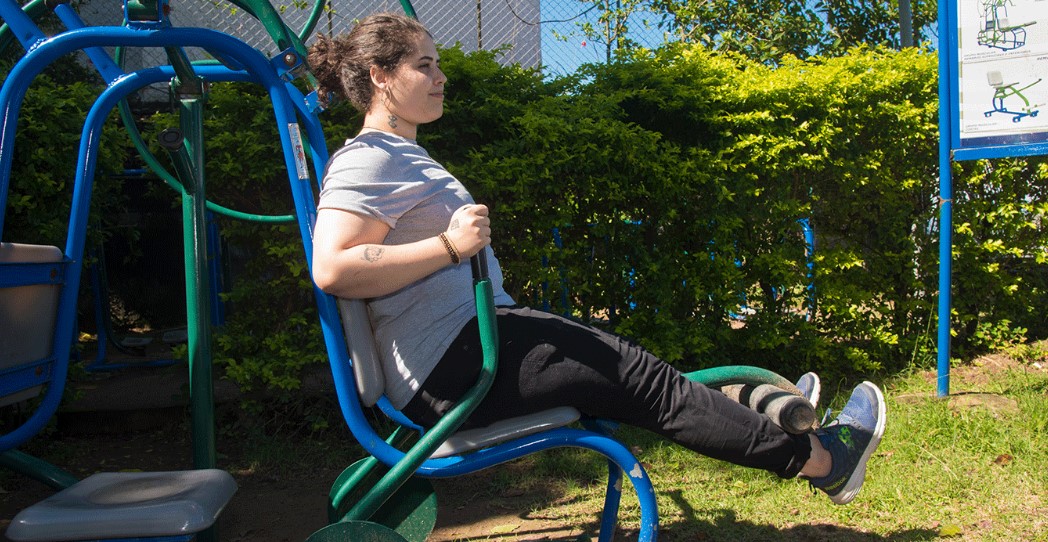
In an article published in Nature Metabolism, researchers based in Brazil and Mexico analyze the Latin American obesity epidemic from a broad perspective that includes socioeconomic, cultural and epigenetic factors. For the authors, solutions must focus on collective action rather than individualization of the problem.
Center for Research on Biodiversity Dynamics and Climate Change - CBIOCLIMA
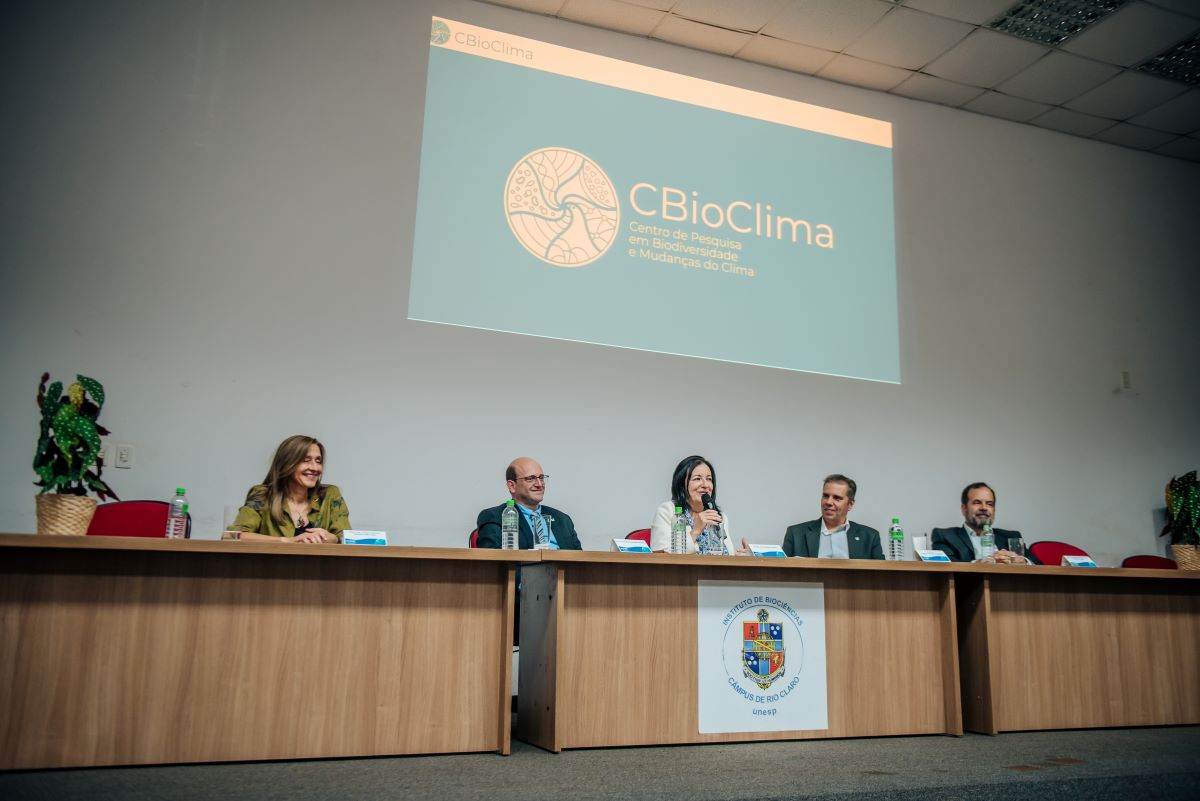
The first Research, Innovation and Dissemination Center (RIDC) hosted by São Paulo State University (UNESP) will promote innovation focusing on sustainable solutions and accelerated knowledge dissemination.
Human Genome and Stem-Cell Research Center - GENOMA USP
Through experiments with human cells and animals, researchers from the University of São Paulo and collaborators have shown how gene-environment interactions during the craniofacial development of the embryo can lead to malformations.
Center for Research on Redox Processes in Biomedicine - REDOXOMA
Researchers at a FAPESP-supported research center showed that the addition of bromine to extracellular matrix proteins is a physiological modification dependent on the enzyme peroxidasin – the study extends knowledge of the scope of this enzyme’s activity in the mammalian organism.
Center for Research and Development of Functional Materials - CDMF
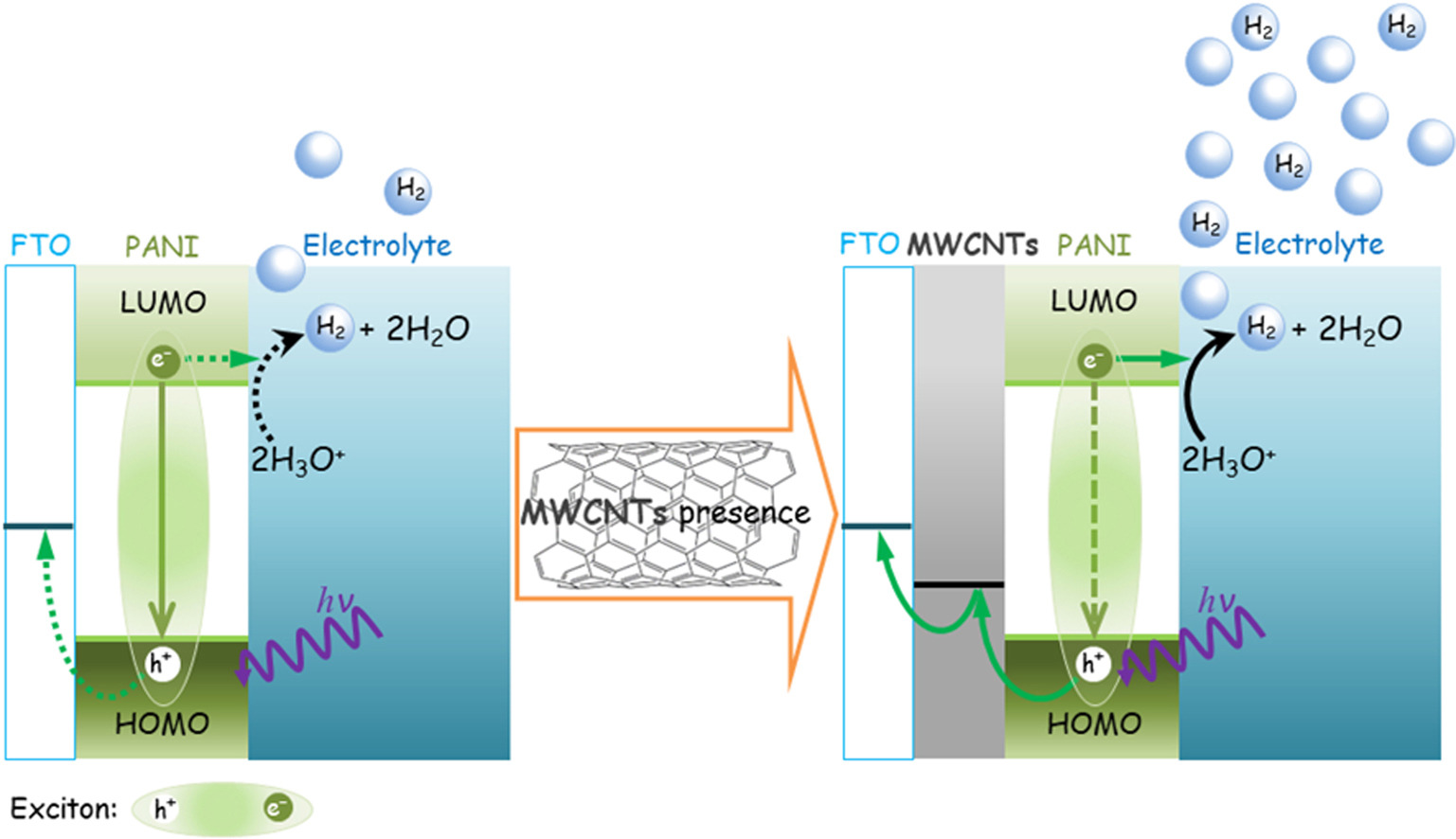
In an experiment resulting from collaboration between two FAPESP-supported research centers, a material was modified for use in solar-driven water splitting to produce hydrogen.
Center for Research, Teaching, and Innovation in Glass - CERTEV
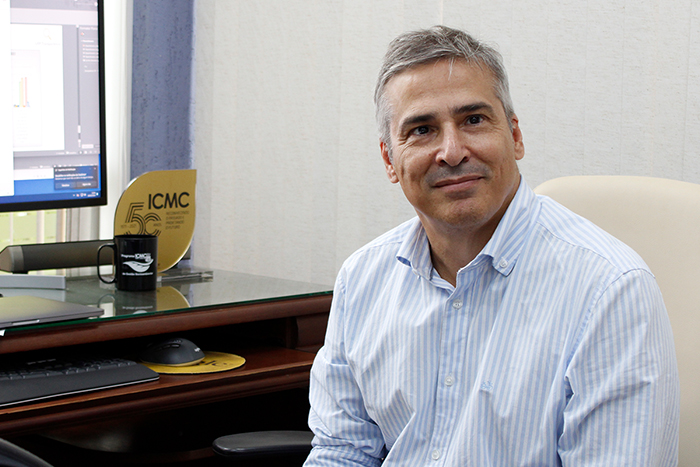
Edgar Dutra Zanotto, coordinator of the Center for Teaching, Research and Innovation in Glass, was invited by the American Ceramic Society to give the Varshneya Frontiers of Glass Science Lecture.
Center for Research on Biodiversity Dynamics and Climate Change - CBIOCLIMA
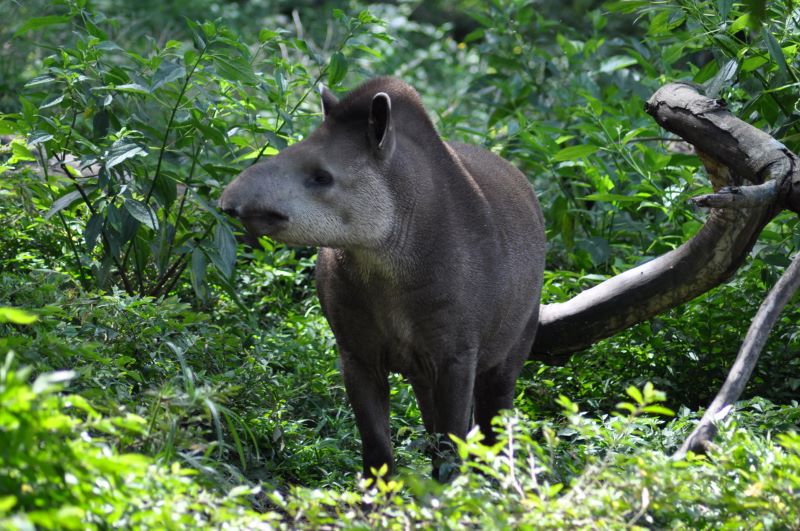
Researchers in Brazil compared leaf damage caused by insects and pathogens in areas with and without the presence of mammals such as tapirs, deer and peccaries. Absence of the animals led to loss of microorganisms that cause leaf disease, potentially affecting long-term eco-evolutionary processes and reducing biodiversity in tropical forests.
Center for Research on Redox Processes in Biomedicine - REDOXOMA
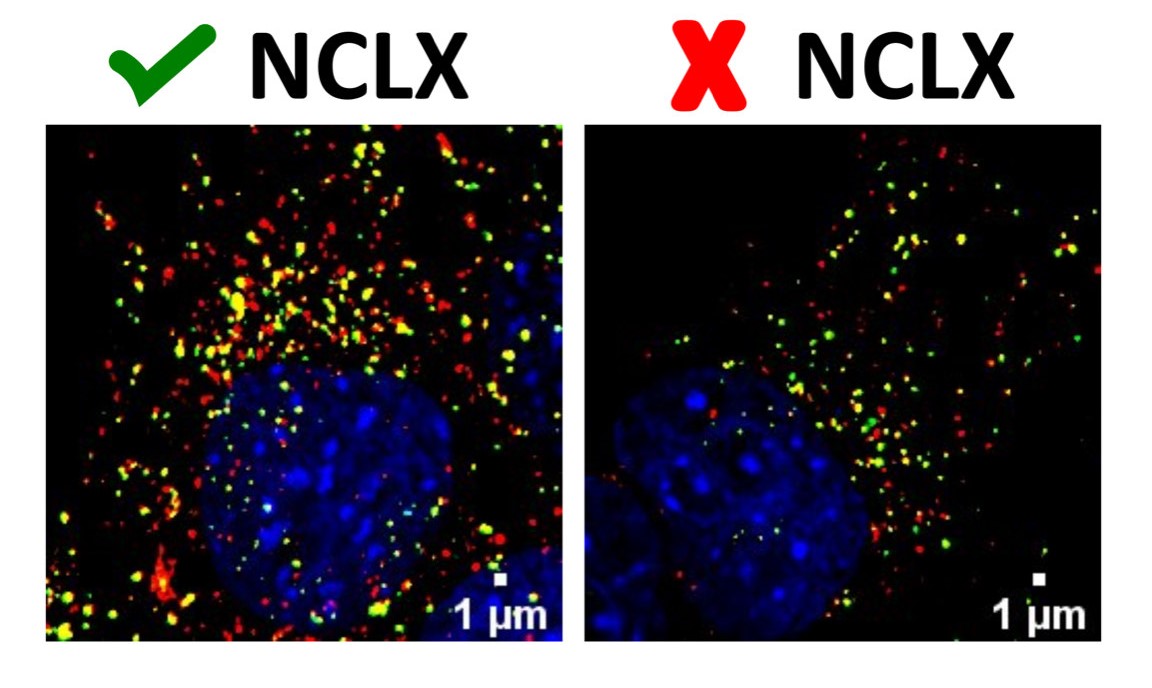
An article published by a FAPESP-supported research center highlights the link between mitochondrial calcium transport and autophagy, the process whereby cells break down and reuse some of their own components.

Center for Metropolitan Studies - CEM
Countries in the region are experiencing a different phenomenon from that observed in the United States and Europe, where increased social inequality may have been the cause of the advance of political polarization. The assessment was made by participants in FAPESP Week Illinois.
Center for Research and Development of Functional Materials - CDMF
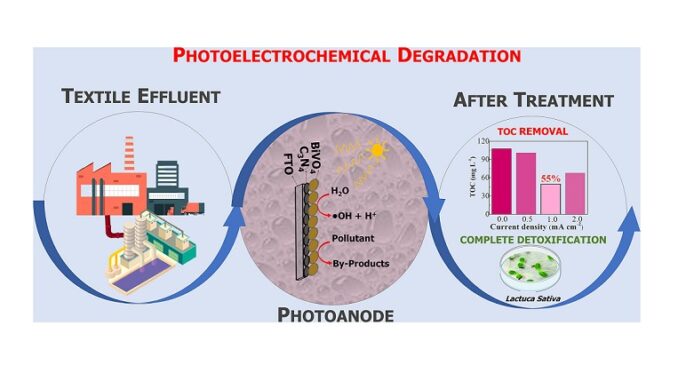
Investigators affiliated with two FAPESP-supported research centers conducted an experiment using actual effluent from the textile industry. The results are detailed in the journal Chemosphere.
Center for Research and Development of Functional Materials - CDMF
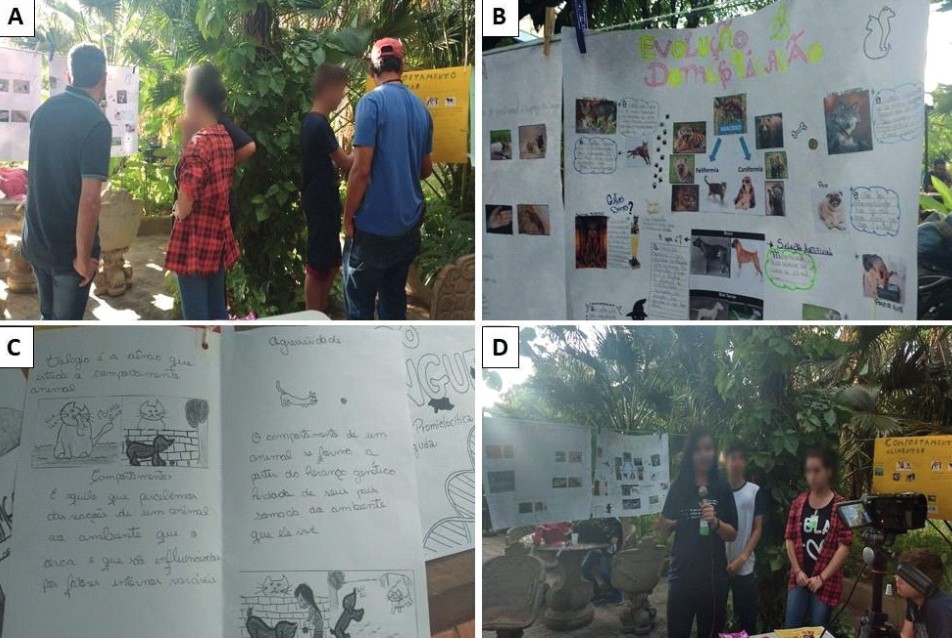
Dissemination project of the Center for the Development of Functional Materials – a research center supported by FAPESP and based at the Federal University of São Carlos – is aimed at primary and secondary school students and teachers.
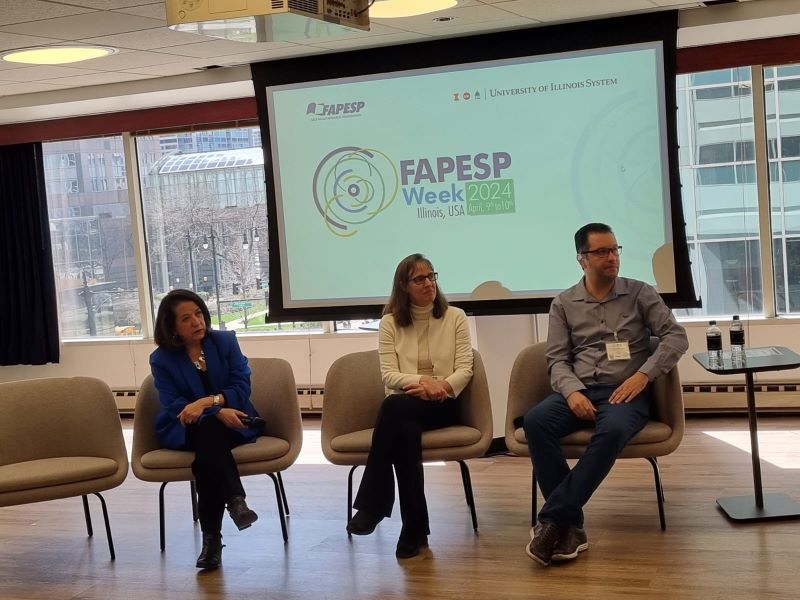
Center for Metropolitan Studies - CEM
Researchers from the University of São Paulo are producing maps that show areas of the city of São Paulo with the highest concentration of air pollutants; the results of the studies were presented in the United States during FAPESP Week Illinois.
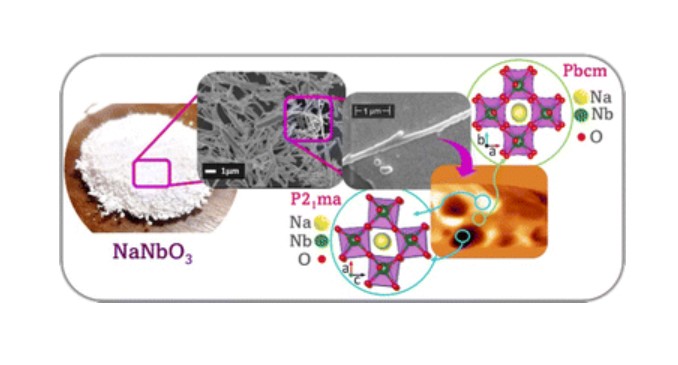
Center for Research and Development of Functional Materials - CDMF
Sodium niobate is a type of ceramic with properties of interest to green chemistry; scientists from the Center for the Development of Functional Materials and collaborators have developed a new strategy for obtaining it.
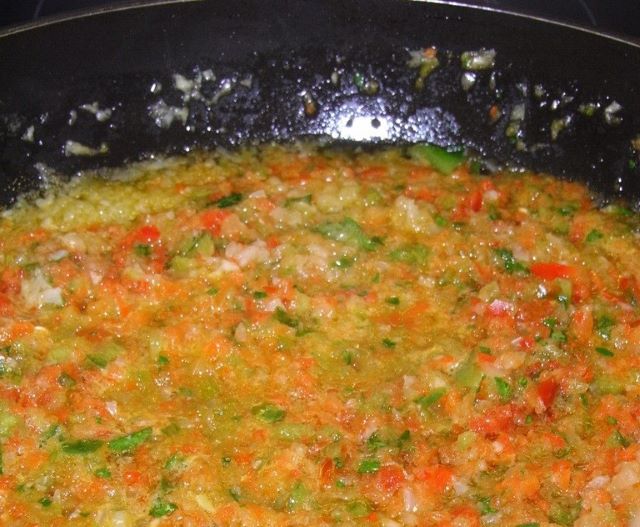
Food Research Center - FORC
The health benefits of the so-called “sofrito” were observed in experiments with rats conducted by scientists from the Food Research Center and collaborators. The effect may be linked to a compound identified in the animals’ livers called butanediol.
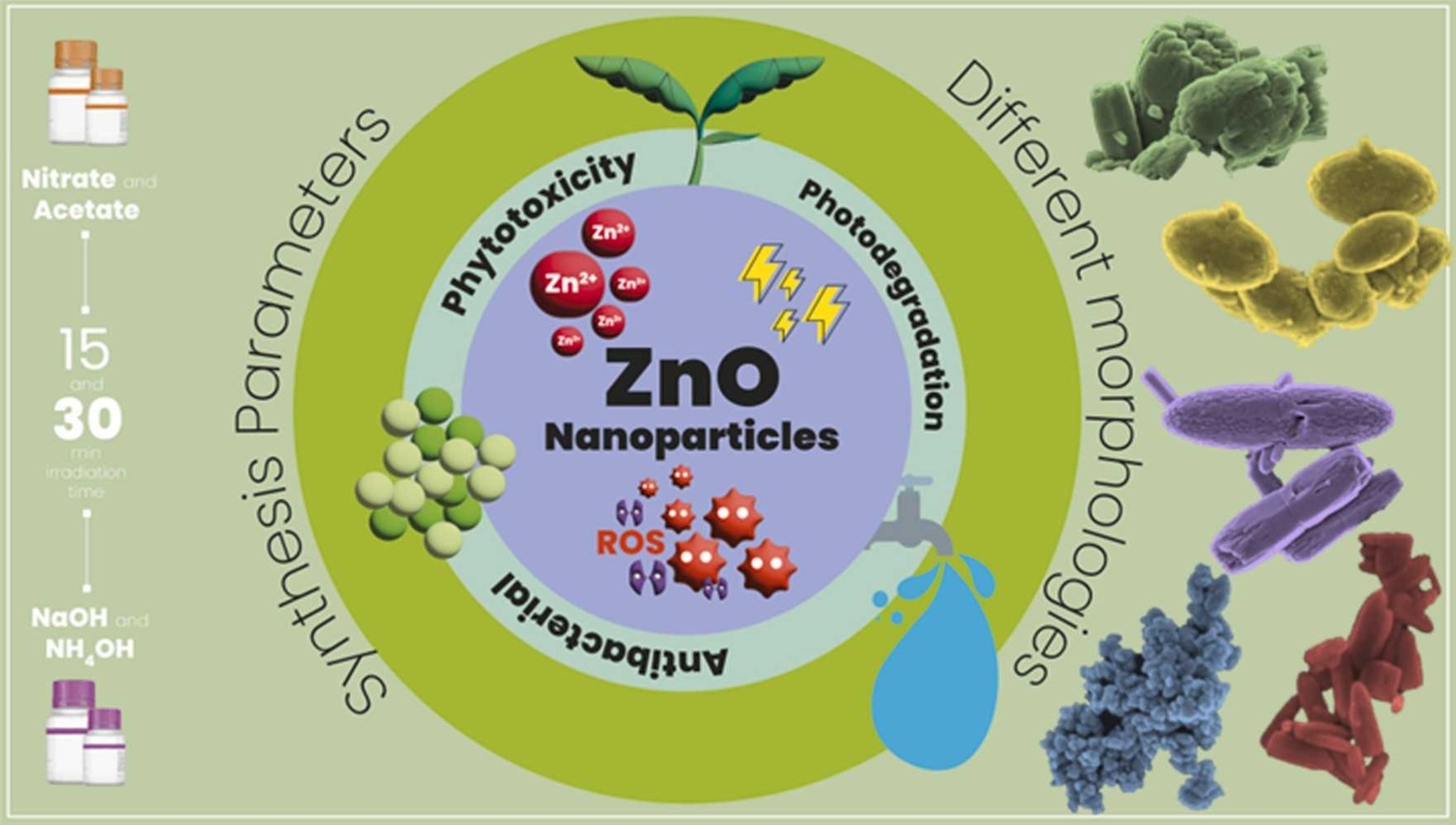
Center for Research and Development of Functional Materials - CDMF
Zinc oxide nanoparticles with varying morphologies were tested against microorganisms isolated from patients. The results are reported in the Journal of Environmental Chemical Engineering.
Food Research Center - FORC
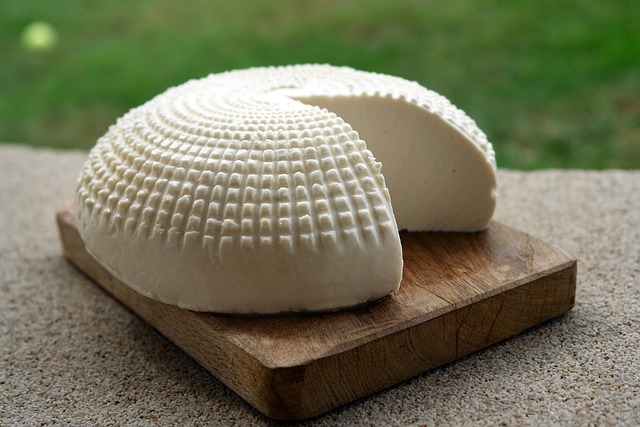
The proposal is being analyzed by an inspection body in the state of São Paulo. In this region alone, there are more than 1,200 informal producers of milk and dairy products with the potential to be regularized.